
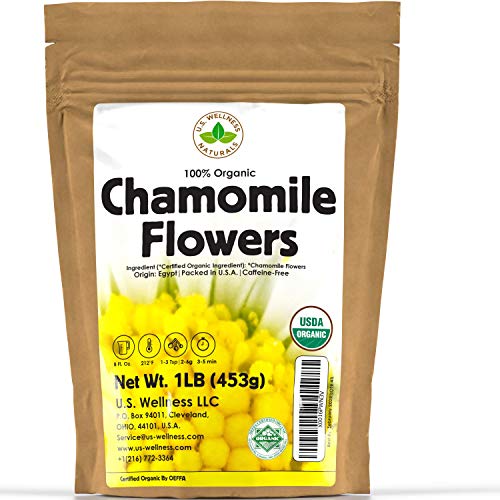
- ORGANIC: WE packed these flowers in DOA (Department Of Agriculture) of Ohio certified facility. 100% certified organic h…
- A LOT OF FLOWERS: 1lb of chamomile flowers is sufficient quantity to make your own CHAMOMILE ESSENTIAL OIL! Flowers sour…
- EASY: Each order comes in a 1 lb bulk bag made with BPA free multi-layer polymer and paper surface. The bag is free stan…
The History and Origins of Chamomile Tea
Chamomile tea has a rich and storied history that dates back thousands of years, making it one of the oldest herbal remedies known to humanity. Its use can be traced to ancient civilizations such as the Egyptians, Greeks, and Romans, who valued its therapeutic properties. The Egyptians revered chamomile for its healing qualities, often dedicating it to their sun god Ra. They utilized chamomile to treat various ailments, including fever and digestive issues, showcasing its importance in their medicinal practices.
The Greeks, especially Hippocrates, the father of medicine, recognized chamomile’s natural benefits and prescribed it for a variety of health issues. The plant was also notably referenced by Dioscorides, a first-century Greek physician, who discussed its effectiveness in treating nervous disorders and promoting relaxation. This validation paved the way for chamomile’s introduction into other regions, extending its fame and usage across Europe.
During the medieval period, chamomile continued to be embraced for both its culinary and medicinal uses. Herbalists and physicians created extensive texts that documented its health properties, including its ability to alleviate anxiety and promote restful sleep. This period saw the emergence of chamomile tea as a popular infusion, which was frequently offered in households as a soothing beverage.
In the 18th and 19th centuries, chamomile tea gained even broader acceptance, particularly in England. Notable figures such as Dr. Edward Bach, who developed flower remedies, acknowledged chamomile’s calming effects. As the health and wellness movement gained momentum, chamomile tea was increasingly recognized for its ability to support holistic healing. Today, chamomile continues to be a staple in herbal medicine, praised for its soothing qualities and ability to enhance overall well-being.
Nutritional Components and Health Benefits of Chamomile Tea
Chamomile tea is highly regarded not only for its pleasant flavor but also for its rich nutritional profile that contributes to various health benefits. The key active ingredients found in chamomile include flavonoids, phenolic compounds, and antioxidants. Particularly, apigenin, a notable flavonoid, is credited for many of the therapeutic properties associated with chamomile tea.
One of the most significant health benefits of chamomile tea is its anti-inflammatory properties. Research indicates that the antioxidants in chamomile can help in reducing inflammation throughout the body. This quality makes chamomile tea especially beneficial for individuals suffering from inflammatory conditions such as arthritis.
Chamomile tea is also renowned for its calming effects, making it an excellent natural remedy for anxiety and stress relief. The presence of apigenin binds to specific receptors in the brain, promoting relaxation and aiding in sleep. This calming effect is particularly valuable in today’s fast-paced world, where stress levels are frequently elevated.
Furthermore, chamomile tea has been found to support digestive health. It can help alleviate gastrointestinal discomfort, be it bloating, indigestion, or nausea. The antispasmodic properties of chamomile assist in relaxing the muscles of the intestines, thus promoting a smoother digestive process.
In addition to these primary benefits, chamomile tea has also been utilized as a natural remedy for various ailments, including colds and migraines, due to its mild analgesic properties. Its versatility in addressing both internal and emotional disturbances highlights the holistic role of chamomile tea in enhancing overall well-being.
Preparing Chamomile Tea for Maximum Benefits
Chamomile tea, renowned for its calming properties, can be a delightful addition to your daily routine. Preparing it correctly is crucial to unlocking its full therapeutic potential. Begin by selecting high-quality chamomile. Opt for organic, loose-leaf varieties, as these tend to preserve the essential oils and active compounds better than pre-packaged tea bags. Look for vibrant, golden-colored flowers with a fresh, pleasant aroma.
For brewing, the temperature of your water plays an essential role. Ideal water temperature for chamomile tea is approximately 200°F (93°C), just off a rolling boil. This temperature helps release the plant’s beneficial components without scorching them. Steep your chamomile flowers for about 5 to 10 minutes, depending on your taste preference. Longer steeping time typically results in a stronger flavor and more pronounced effects. Conversely, a shorter steep may yield a milder taste and gentle benefits.
To enhance your chamomile experience, consider blending chamomile with other herbs such as lavender, mint, or lemon balm. A simple recipe could include one part chamomile to one part dried lavender. Combine these in your teapot before pouring in the heated water, allowing the mixture to steep. This blend not only adds complex flavors but also synergistically enhances the relaxing properties of each herb.
It is recommended to enjoy chamomile tea up to two to three times daily, particularly if you seek its calming effects. For optimal results, integrate chamomile into your evening routine to promote relaxation before sleep. You may also try adding honey or a slice of lemon to tailor the flavor to your liking while still reaping the numerous health benefits.
Potential Side Effects and Precautions
While chamomile tea is widely regarded for its soothing properties and health benefits, it is important to recognize that it may not be suitable for everyone. Some individuals might experience allergic reactions, particularly those who are sensitive to plants within the Asteraceae family, such as ragweed, daisies, and marigolds. Symptoms of an allergic reaction can include skin rashes, respiratory issues, and gastrointestinal disturbances. Therefore, caution is advised for anyone with a known allergy to these plants.
Moreover, chamomile tea can interact with certain medications. For instance, it has the potential to enhance the effects of anticoagulants, such as warfarin, which can increase the risk of bleeding. Additionally, chamomile may interact with sedatives or central nervous system depressants. This interaction could lead to an unexpected increase in drowsiness or sedation, which could pose risks, especially when engaging in activities requiring full alertness, such as driving.
Individuals who are pregnant or breastfeeding should also exercise caution before incorporating chamomile tea into their routine. While chamomile is commonly used to alleviate discomfort during pregnancy, concerns remain about its safety. Some studies suggest that it may stimulate uterine contractions, which raises apprehensions regarding its consumption in later stages of pregnancy.
As a precaution, it is advisable for those considering chamomile tea as a health remedy to consult with a healthcare provider, especially if they have pre-existing health conditions or take various medications. A qualified healthcare professional can provide personalized recommendations based on individual health profiles and ensure that any potential interactions are addressed. While chamomile tea offers numerous benefits, taking these precautions can help ensure its safe use as part of a holistic approach to internal healing.